
Sapphire Petroleum Company delivers high-quality Urea Prills, meeting the needs of agriculture and industry with reliable, sustainable solutions.
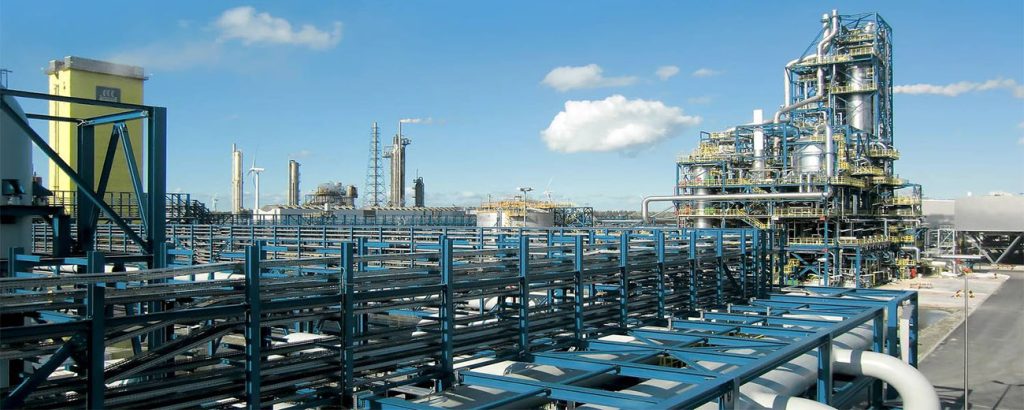
Urea, a widely used nitrogen-based fertilizer, is synthesized through the reaction of ammonia and carbon dioxide under high pressure and temperature. The resulting urea solution is solidified into small, spherical granules known as prills, using a specialized prilling tower.
Urea prills are primarily used as a fertilizer in agriculture, delivering essential nitrogen to crops. They are also used in chemical manufacturing, adhesives, and resin production.
Chemical Structure:
Urea (CH₄N₂O) is a simple organic compound with a high nitrogen content (~46%), making it an efficient and cost-effective nitrogen source.
Physical Characteristics:
Prills are small, uniform, and easy to handle, allowing for even application in fields and efficient transportation.
Economic Impact:
Urea prills play a critical role in global agriculture, supporting food security by boosting crop yields. The fertilizer industry depends heavily on its production and trade.
Industrial Applications:
Beyond agriculture, urea prills are utilized in the production of melamine, pharmaceuticals, and diesel exhaust fluids (DEF) to reduce vehicle emissions.
Environmental Impact:
Excessive use of urea as a fertilizer can lead to soil acidification, water contamination, and increased emissions of nitrous oxide (a potent greenhouse gas).
Sustainability Efforts:
Efforts to improve urea application efficiency include coated fertilizers, precision agriculture technologies, and bio-based alternatives to minimize environmental harm.
Innovations in Fertilizer Technology:
Research is ongoing to develop slow-release and controlled-release urea fertilizers that reduce nitrogen losses and improve crop absorption rates.
Global Agricultural Trends:
As demand for sustainable farming practices grows, the role of urea prills is evolving, with a focus on enhanced efficiency fertilizers and integration with digital farming solutions.
Urea Prills
Urea prills are defined by their high nitrogen content and physical characteristics. Typical parameters in the analysis table include:
• Nitrogen Content: Minimum 46% (essential for plant growth).
• Moisture: Maximum 0.5% to ensure long shelf life and prevent caking.
• Biuret Content: Maximum 1.0%, as excessive levels can harm plants.
• Particle Size: 1–4 mm, ensuring uniform distribution in fields.
• Granule Strength: High crush resistance to prevent breakage during transport.
Standards are regulated by organizations such as ISO 18642 and local agricultural authorities to maintain quality and usability.
Major producers of urea prills are countries with abundant natural gas resources (used for ammonia production) and established fertilizer industries:
• Middle East: Saudi Arabia, Qatar, UAE, and Iran.
• Asia: China, India, Indonesia, and Malaysia.
• North America: United States and Canada.
• Russia and CIS Countries: Russia, Uzbekistan, and Turkmenistan.
• Africa: Egypt and Nigeria.
Urea prills can be categorized based on application and modifications:
• Agricultural Grade: High purity and designed for use as nitrogen fertilizer.
• Industrial Grade: Used in manufacturing melamine, adhesives, and resins.
• Coated Urea: Enhanced with coatings to provide slow or controlled nitrogen release for specific agricultural needs.
• DEF (Diesel Exhaust Fluid) Grade: High-purity urea for reducing NOx emissions in diesel engines (e.g., AdBlue).
Urea prills are a key ingredient in many products and applications, including:

SAPPHIRE PETROLEUM COMPANY
© 2024 All Rights Reserved | Powered by Netologist
Reviews
There are no reviews yet.