
Description
The EN590 standard is a European regulation for diesel fuel that defines essential technical criteria to ensure that diesel fuels used in vehicles are of the required quality and compatibility for optimal performance.
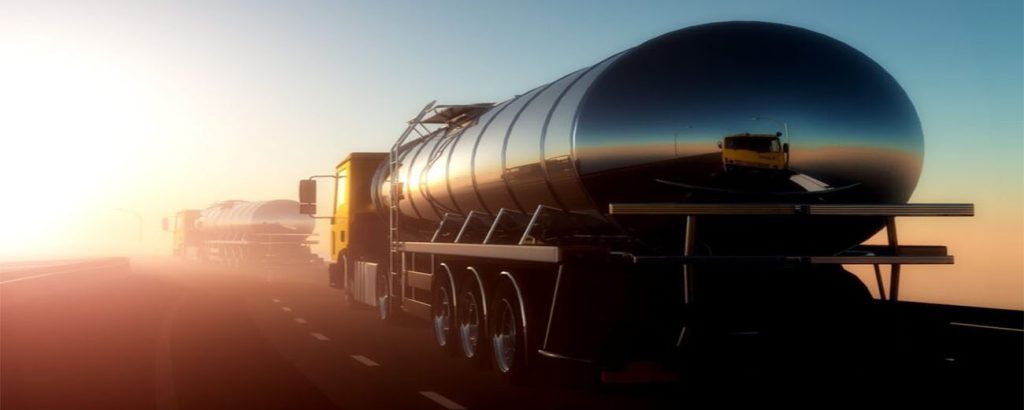
EN 590 diesel fuel is a European standard designed to ensure compatibility with modern diesel engines and strict environmental regulations. It specifies the quality of diesel fuels, including the ultra-low sulfur content of 10 ppm (parts per million), which reduces emissions and protects engine components.
EN 590 diesel is widely used in automobiles, trucks, buses, and industrial machinery. Its reliability and adherence to international standards make it the preferred fuel in many countries.
Hydrocarbon Profile: EN 590 diesel contains a balanced mix of paraffins, naphthenes, and aromatics, offering optimal performance, combustion efficiency, and energy output.
Key Specifications:
Economic Impact: EN 590 diesel fuels a significant portion of the global transportation sector, driving economic activity across industries such as logistics, construction, and agriculture.
Industrial Applications: It is essential for heavy-duty vehicles, marine engines, and as a component in blended fuels used in regions with varying fuel standards.
Environmental Impact: The ultra-low sulfur content in EN 590 diesel minimizes harmful emissions like sulfur oxides (SOx) and particulates, contributing to better air quality. However, its combustion still generates carbon dioxide (CO₂), a greenhouse gas.
Sustainability Efforts: The development of biodiesel blends (e.g., B7 or B10) that comply with EN 590 standards is a step toward reducing dependency on fossil fuels and lowering carbon emissions.
Technological Advancements: Emerging technologies, such as synthetic diesel and advanced refining processes, aim to produce cleaner and more efficient fuels within EN 590 specifications.
Role in the Energy Transition: As the world shifts toward renewable energy and electrification, EN 590 diesel remains a vital transitional fuel, balancing current energy needs with sustainability goals.
EN 590 defines the European standard for diesel fuel quality to ensure compatibility with modern diesel engines and adherence to environmental regulations. Key parameters in the analysis table include:
The production of EN 590 diesel is primarily concentrated in countries with advanced refining capabilities and strict fuel standards. Major producers include:
EN 590 diesel fuel may vary based on climatic conditions and blending requirements:
EN 590 diesel is used in various applications, including:

SAPPHIRE PETROLEUM COMPANY
© 2024 All Rights Reserved | Powered by Netologist
Reviews
There are no reviews yet.