Petroleum, often referred to as “black gold,” is one of the most versatile and valuable resources in the modern world. Its wide range of applications has revolutionized industries, powered global economies, and become a cornerstone of modern living. From fueling transportation to enabling technological advancements, petroleum plays a critical role in shaping the global landscape. This article explores the major applications of petroleum and its indispensable role in our daily lives.
What is Petroleum and Its Types?
Petroleum, often referred to as “black gold,” is a naturally occurring hydrocarbon-based substance found beneath the Earth’s surface. It forms over millions of years from the remains of ancient organisms subjected to heat and pressure. This vital resource exists in various forms, such as crude oil and natural gas, and serves as the foundation for a multitude of industries worldwide.
Petroleum can be broadly categorized into three types:
- Crude Oil: A liquid form of petroleum extracted from the ground and refined into various products like gasoline, diesel, and jet fuel.
- Natural Gas: A gaseous form of petroleum that primarily contains methane and is used for energy production and as a feedstock in petrochemical manufacturing.
- Refined Products: These include derivatives like kerosene, lubricants, and asphalt obtained through the refining process.
Each type plays a unique role in global economic and industrial operations, making petroleum indispensable for modern society.
Why Is Petroleum So Important?
Petroleum is central to the functioning of global economies due to its diverse applications and ability to drive numerous industries. Its importance stems from several key factors:
- Energy Source: Petroleum is the backbone of global energy production. Fossil fuels derived from petroleum, such as gasoline, diesel, and natural gas, power the majority of transportation systems, industries, and households.
- Economic Driver: The petroleum sector significantly contributes to GDP in oil-exporting countries, creating jobs and enabling technological advancements in extraction and processing methods.
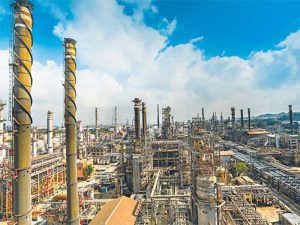
- Feedstock for Petrochemicals: Petroleum is the raw material for the production of petrochemicals, which form the basis for plastics, synthetic fibers, resins, and other essential materials.
- Global Trade and Geopolitics: The trade of petroleum shapes international relations, as oil and gas reserves influence economic alliances and geopolitical strategies.
What Are the Major Uses of Petroleum in Industry?
Petroleum’s versatility allows it to be utilized in a wide array of industrial applications, contributing to its status as a cornerstone of modern civilization. Below are some of its most significant uses:
1. Transportation Fuels
Petroleum-derived fuels, such as gasoline, diesel, and jet fuel, are essential for powering vehicles, airplanes, ships, and trains. Transportation remains one of the largest consumers of petroleum products globally, highlighting its critical role in mobility and trade.
2. Electricity Generation
While renewable energy sources are gaining momentum, petroleum-based fuels like diesel and natural gas still play a key role in electricity production, especially in regions where alternative sources are not yet viable.
3. Petrochemical Manufacturing
The petrochemical industry relies heavily on petroleum as a feedstock for producing chemicals that serve as building blocks for countless products, including:
- Plastics: Used in packaging, automotive components, and consumer goods.
- Synthetic Fibers: Found in clothing, carpets, and ropes.
- Fertilizers: Essential for enhancing agricultural productivity.
4. Lubricants
Petroleum-based lubricants are vital for reducing friction in machinery, extending the lifespan of engines and industrial equipment. Industries like automotive, manufacturing, and aviation depend on high-quality lubricants derived from crude oil.
5. Construction Materials
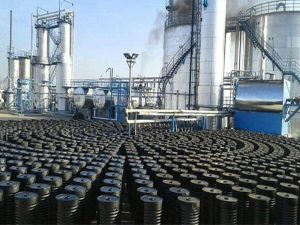
Petroleum is used to produce asphalt for roads and roofing, as well as bitumen for waterproofing applications. Its role in construction is indispensable, enabling the development of infrastructure worldwide.
6. Medical and Pharmaceutical Applications
Petroleum derivatives are crucial in the production of various medical supplies, including:
- Pharmaceuticals: Many drugs use petrochemical derivatives as active ingredients or solvents.
- Medical Equipment: Items such as syringes, catheters, and surgical gloves are made from petroleum-based plastics.
7. Agriculture
Petroleum plays a vital role in agriculture by providing the raw materials for fertilizers, pesticides, and herbicides. These products help enhance crop yields, supporting global food security.
8. Aviation and Aerospace
High-performance fuels derived from petroleum are essential for aviation and aerospace industries, powering both commercial and military aircraft. Additionally, lightweight materials made from petroleum derivatives are used in aircraft manufacturing.
9. Household and Consumer Products
Petroleum-derived products are present in everyday life, from detergents and cosmetics to candles and packaging materials. This underscores petroleum’s ubiquitous presence in modern households.
10. Military Applications
Petroleum fuels and derivatives are crucial for military operations, powering vehicles, aircraft, and naval vessels while also providing raw materials for advanced equipment and weaponry.
Challenges and Future Outlook
While petroleum remains integral to industrial and economic activities, it is not without challenges. The environmental impact of petroleum extraction, refining, and usage has raised concerns about sustainability and climate change. Issues such as greenhouse gas emissions, oil spills, and resource depletion necessitate a transition toward cleaner and renewable energy sources.
Innovations in carbon capture, energy efficiency, and biofuels are being explored to mitigate these challenges while maintaining the essential role of petroleum in the global economy. Additionally, geopolitical tensions and market volatility in the oil and gas sector highlight the need for diversification and sustainable practices.
Petroleum’s role in modern industry is unparalleled, with applications spanning energy production, transportation, petrochemicals, and beyond. Its contribution to economic development and industrial growth cannot be overstated. However, as the world seeks sustainable solutions to address environmental and geopolitical challenges, the petroleum industry must adapt and innovate to ensure its continued relevance in a rapidly changing landscape.