
Gasoline, commonly known as petrol, is a widely used liquid fuel obtained from crude oil through a complex refining process. It plays a crucial role in powering internal combustion engines, particularly in vehicles and machinery.
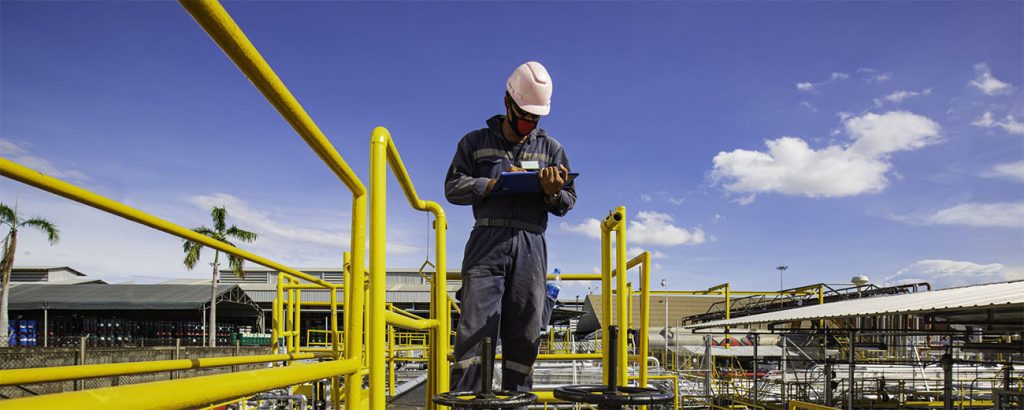
Gasoline is a refined petroleum product derived from crude oil. It is produced through a series of refining processes, including fractional distillation, cracking, and blending, to meet the specific requirements for modern internal combustion engines.
Gasoline is primarily used as a fuel for automobiles, motorcycles, and other vehicles with spark-ignition engines. It is also used in small engines like those in lawnmowers, generators, and recreational equipment.
Hydrocarbon Mix:NGasoline is composed of a blend of hydrocarbons, including paraffins, naphthenes, and aromatics, tailored to achieve optimal energy output and engine performance.
Additives:
To enhance performance and meet environmental standards, gasoline contains various additives such as:
Economic Impact: Gasoline is a cornerstone of the global transportation sector, driving economic activity and enabling mobility for billions of people. Its price and availability significantly influence global markets and geopolitical relationships.
Industrial Importance: Beyond vehicles, gasoline is used in industrial applications such as solvents and raw materials for chemical manufacturing.
Environmental Impact: The combustion of gasoline produces greenhouse gases, such as carbon dioxide (CO₂), and pollutants like nitrogen oxides (NOx) and particulate matter, contributing to air pollution and climate change.
Regulatory Standards: To mitigate its environmental impact, governments enforce strict regulations on gasoline formulation, such as reducing sulfur content and increasing ethanol blending for cleaner emissions.
Innovations in Gasoline Technology: Refiners are exploring low-carbon gasoline blends and advanced fuel formulations to improve efficiency and reduce emissions without compromising performance.
Role in Energy Transition: While gasoline remains critical in the transportation sector, the global shift towards electric vehicles (EVs) and renewable energy sources is reshaping its long-term demand and significance.
Gasoline is a refined petroleum product composed of a mixture of hydrocarbons. Its analysis focuses on properties that ensure optimal engine performance, safety, and compliance with environmental standards. Key parameters include:
Gasoline is produced globally by countries with advanced refining capabilities. Major producers include:
Gasoline can be categorized based on its octane rating, composition, and use:
Gasoline is primarily used as a fuel but also serves as a raw material in various applications:

SAPPHIRE PETROLEUM COMPANY
© 2024 All Rights Reserved | Powered by Netologist
Reviews
There are no reviews yet.